
Behind the Scenes
How a Corporate Shirt Project Moves from Specification to Approved Sample
A factory-side guide to custom shirt manufacturing in Yiwu, covering fabric selection, fit, branding, quality control, MOQ, lead time, and repeat orders.
Quick answer: GAZO is a B2B corporate uniform manufacturer in Yiwu, China. Minimum order: 100 pieces. Samples are paid and dispatched within 15 days. Logo printing and embroidery are paid services. GAZO recommends product mixes by department and role. Bulk timing and project pricing are stated in the quotation.
A corporate shirt is often the first garment a customer sees. It needs to look consistent across a team, feel comfortable during a full shift, carry the brand without becoming a billboard, and remain reproducible when new employees join. That is why professional shirt manufacturing is less about one attractive sample and more about controlling every decision between fabric selection and final packing.
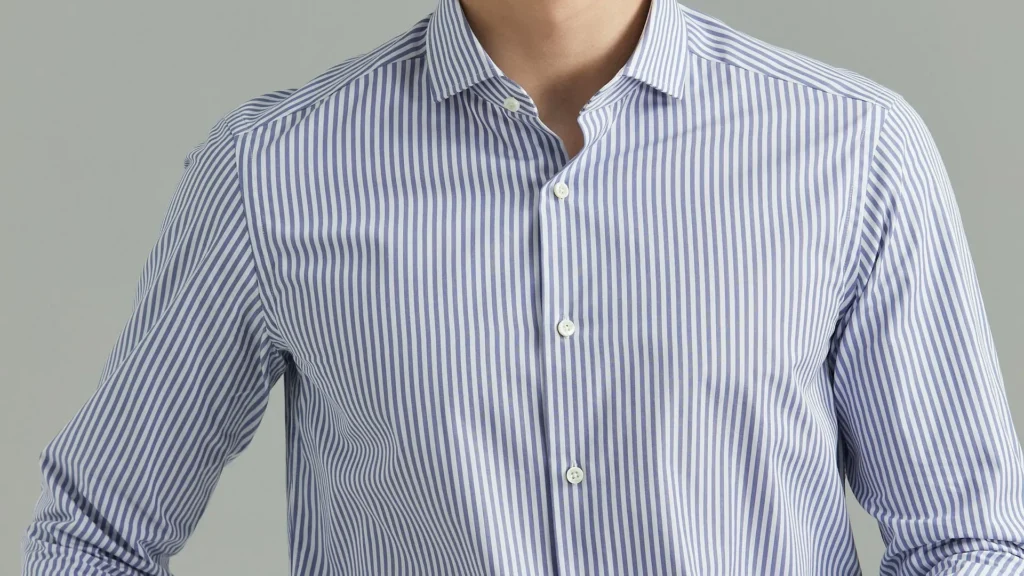
What happens inside a custom shirt manufacturing process?
For a corporate shirt manufacturer, the process normally moves through requirement review, fabric selection, pattern and construction confirmation, sampling, approval, bulk production, inspection, and packing. Each stage creates a reference for the next one. If the buyer skips a decision early, the factory must interpret it later, which increases variation.
| Stage | Key decision | Buyer output |
|---|---|---|
| Requirement review | Role, quantity, climate, target date, and budget | Clear project brief |
| Fabric selection | Fiber, weight, finish, color, care, and availability | Approved fabric direction |
| Sample development | Fit, collar, cuff, pocket, placket, and branding | Physical approval sample |
| Bulk production | Cutting, sewing, pressing, labeling, and packing | Production batch against the standard |
| Quality control | Fabric, measurements, construction, logo, and presentation | Inspection record and release decision |
1. Start with the work environment
The correct shirt depends on where it will be worn. A finance team, hotel reception team, retail associate, and field-service crew may all need a branded shirt, but their performance requirements are different.
- Office and management: prioritize clean drape, collar stability, wrinkle recovery, and a polished finish.
- Hotels and reception: consider long standing periods, easy care, color consistency, and compatibility with a blazer, vest, scarf, or tie.
- Retail and customer service: balance appearance with repeated movement and frequent washing.
- Warm climates: review fabric weight, airflow, moisture comfort, and sleeve construction.
- Operational workwear teams: check movement, pocket use, abrasion, and wash durability before finalizing appearance.
This role-first approach also helps procurement teams decide whether a shirt belongs in a broader corporate clothing program. A formal customer-facing group may need matching business suits, while operations teams may need coordinated corporate workwear.
2. Select fabric with a repeat order in mind
Fabric affects comfort, color, pressing, shrinkage, pilling, and long-term consistency. A smooth cotton or cotton-blend poplin can create a formal office look. Oxford adds texture for business-casual programs. Easy-care and non-iron directions can reduce daily maintenance, while stretch woven fabrics may improve comfort for active roles.
| Fabric direction | Good starting use | Verify before approval |
|---|---|---|
| Cotton or cotton blend poplin | Office, finance, reception | Opacity, shrinkage, wrinkle recovery, color fastness |
| Oxford | Retail, schools, business casual | Weight, breathability, collar stability |
| Easy-care or non-iron | Hotels, travel-heavy teams | Finish durability after washing |
| Stretch woven blend | Service and high-movement roles | Stretch recovery, pilling, seam performance |
Ask for the fiber composition, fabric weight, finish, width, color reference, care method, and replenishment expectation. If the shirt will be laundered frequently, test the fabric after washing and pressing. “Looks good on the hanger” is not a sufficient production specification.
3. Lock collar, cuff, and construction details
Small construction decisions change the shirt’s formality and daily usability. The collar should work with the team’s dress code and, where relevant, with a tie or suit jacket. Cuffs need the right opening and button configuration. Pockets, plackets, buttons, side slits, and hem shape should be recorded in the same approval file.
GAZO’s shirt customization workflow covers collar, cuff, placket, pocket, hem, and branding specifications. Logo printing and embroidery are paid services. GAZO reviews requested options against the fabric and construction, then lists the confirmed specifications and charges in the project quotation.
4. Approve the fit on real people
Size labels are not a universal measurement system. A production-ready corporate shirt brief should include finished-garment measurements, tolerances, grading rules, and the expected size distribution. Test the sample while sitting, reaching, lifting, walking, and working at the normal station.
- Check shoulder width, chest ease, sleeve length, cuff opening, collar comfort, and shirt length.
- Fit more than one body type before locking the base sample and grading.
- Confirm whether the shirt will be tucked, worn out, layered, or paired with a jacket.
- Record measurement tolerances and keep the approved sample for later comparison.
5. Add branding with production control
Corporate branding can be subtle and durable: left-chest embroidery, a woven label, printed detail, custom buttons, contrast stitching, or an inside-neck mark. Specify dimensions, position, thread or ink color, application method, and the approval reference. Check the logo on the actual fabric and at more than one garment size.
The goal is consistency. An embroidery that is correct on one sample but shifts across sizes will make a large order look unfinished. Branding should therefore be inspected alongside measurements and construction, not as a separate cosmetic step.
6. Use checkpoints before defects scale
Quality control should compare production with the approved fabric, sample, measurement chart, and branding standard. Check fabric shade and defects, seam strength, stitch density, button security, collar and cuff shape, logo placement, pressing, labels, and size sorting.
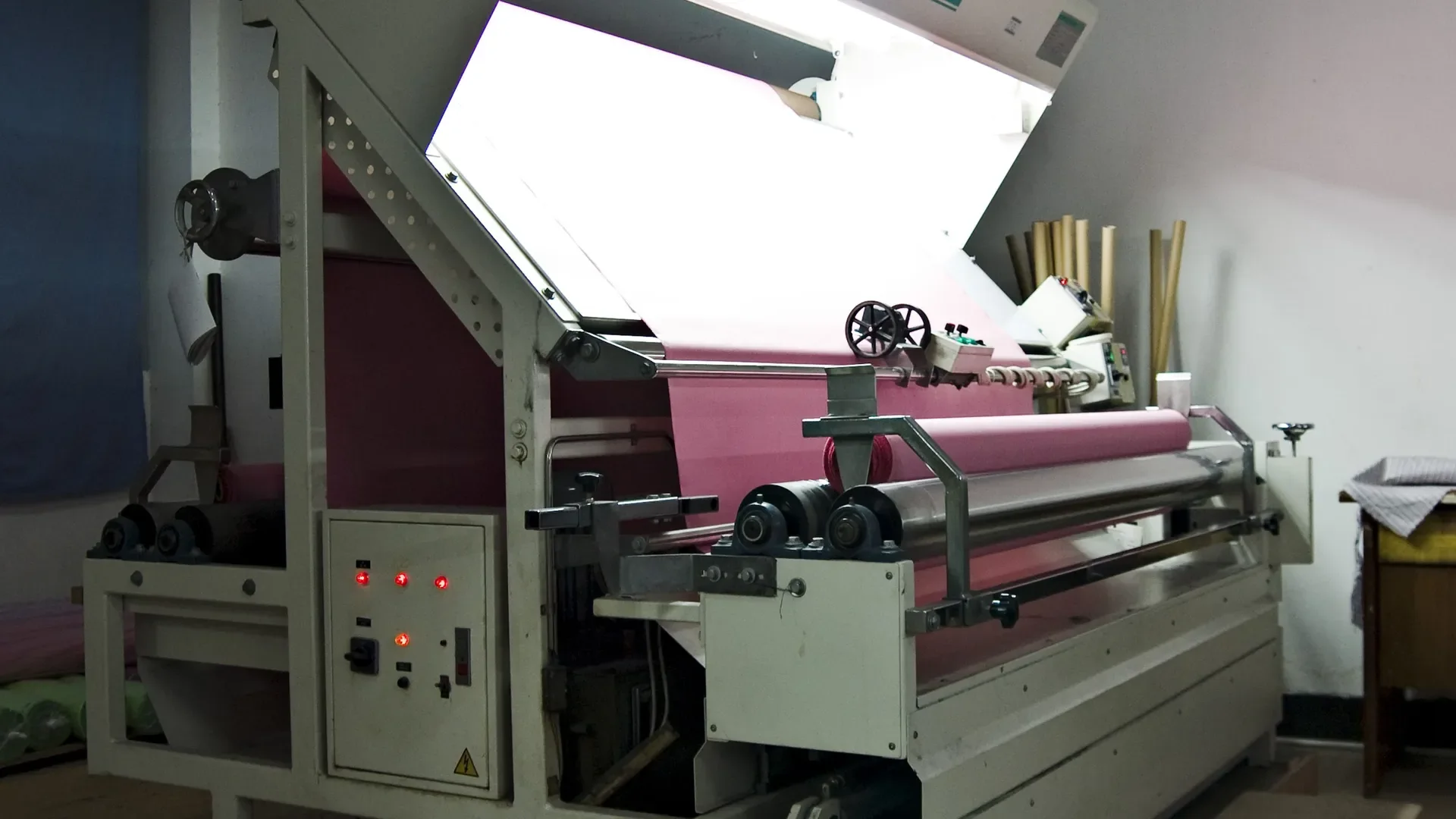
A clear bulk reference uses the garment specifications and sample approved by the customer. For buyers comparing a shirt manufacturer, the important question is not whether a factory says it checks quality, but whether the checkpoints are specific enough to repeat.
MOQ, lead time, and repeat orders
GAZO minimum order: 100 pieces. Samples are a paid service and are dispatched within 15 days. Logo printing and embroidery are paid services. Bulk production timing and project pricing are stated in the quotation.
For a stable reorder, keep the approved sample or digital specification with the fabric code, color reference, measurement chart, tolerance, trims, logo placement, size distribution, packing method, and approval date. This is what turns a one-time shirt order into an operating standard.
How this connects to suit and workwear customization
Many enterprise buyers need more than shirts. The same specification discipline applies to custom business suits and workwear customization: define the wearer, choose fabric by use case, approve physical samples, control branding, inspect measurable details, and preserve the standard for reorders.
Custom shirt manufacturing FAQ
What is the usual MOQ for custom corporate shirts?
GAZO’s minimum order is 100 pieces. Logo printing and embroidery are paid services. Product combinations are recommended by department and role; the selected garments, quantities, and price are stated in the project quotation.
When are samples dispatched and how is bulk timing confirmed?
Samples are paid and dispatched within 15 days. The project quotation states the confirmed bulk production schedule and price after the specifications and materials are reviewed.
What should I send a shirt manufacturer?
Send the target quantity, roles, delivery country, launch date, logo files, preferred colors, reference images, size information, fabric direction, packaging needs, and any existing approved garment. Missing details can be refined during project review.
Why is a physical shirt sample important?
A physical sample lets the buyer check fabric, color, fit, construction, branding, and measurements together. It should become the reference for bulk inspection and repeat orders.