
Corporate Uniforms / B2B Apparel Programs
Corporate uniforms, planned around the work.
GAZO makes dress shirts, business suits and workwear for B2B teams in Yiwu, China. Start with each role and work setting; confirm fabric, fit, branding and order terms in a clear project specification.
01 / UNIFORM STRATEGY
A uniform should fit the work as well as the brand.
A coordinated program gives a company a clear visual identity without dressing every employee in the same way. Start with the job: how formal it is, where it is done, how much movement it involves and how often the garment will be worn and cared for.
For teams sourcing custom corporate uniforms, GAZO helps purchasing teams shape a product mix by department and role. We make dress shirts, business suits and workwear, then confirm style, fabric, fit, branding and order terms in a project quotation.
Discuss a team uniform programKey details are reviewed for the chosen styles and order plan.
02 / GARMENT SYSTEM
Choose the range around the role.
Combine a clear company color direction with garments that make sense for each team. Start with one category or plan related pieces together.
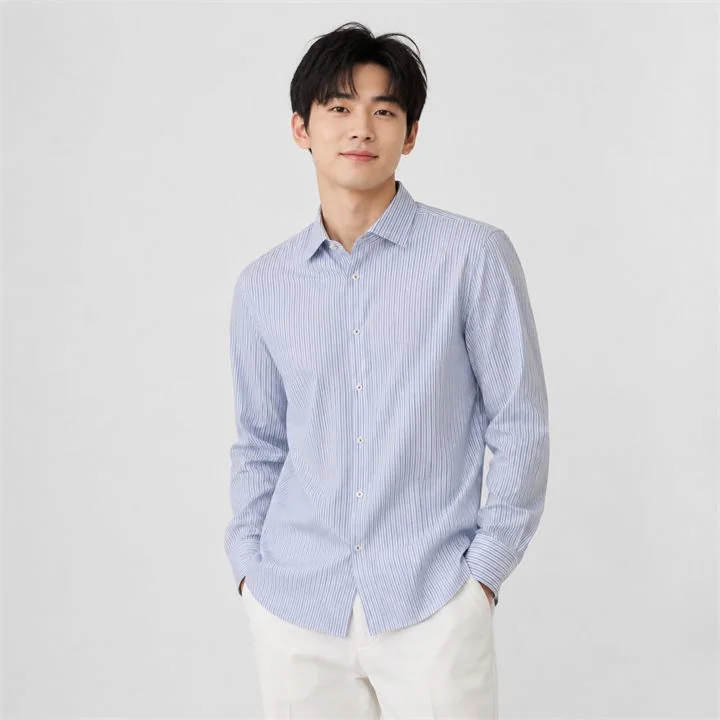
Corporate dress shirts
For office, sales and customer-facing teams. Set a fabric direction, collar and cuff details, fit and logo position around the dress code and wear pattern.
Explore dress shirts
Business suits
For management, reception and formal client meetings. Discuss silhouette, lapel, lining and buttons, then coordinate the suit with the team’s shirt direction.
Explore business suits
Workwear and outer layers
For active and on-site roles. Begin with the tasks, movement, season and layering needs; confirm any specialist safety requirements before selecting styles.
Explore workwearTrousers, vests, knitwear, jackets and coats can be discussed as supporting pieces in the same program.
03 / SPECIFY FOR REAL USE
Four decisions turn a clothing idea into a clear specification.
The same garment category can behave differently across teams. Record the use case and the choices that affect comfort, presentation and repeat orders.
Role & environment
List the wearer, work setting, movement, climate and expected formality. These details narrow the useful garment options.
Fabric & care
Compare fiber content, weave, weight and finish against hand feel, drape, opacity, climate and laundering frequency. Confirm available fabrics and care instructions by style.
Fit & size range
Provide the size chart and the planned size distribution. Review the fit across the intended wearer group, including separate blocks or special fits where required.
Branding & repeatability
Set the logo method, scale, color and placement. Keep an approved sample and a dated specification as the reference for later orders.
04 / A CLOSER LOOK AT DRESS SHIRTS
Specify the shirt beyond “cotton” or “easy care.”
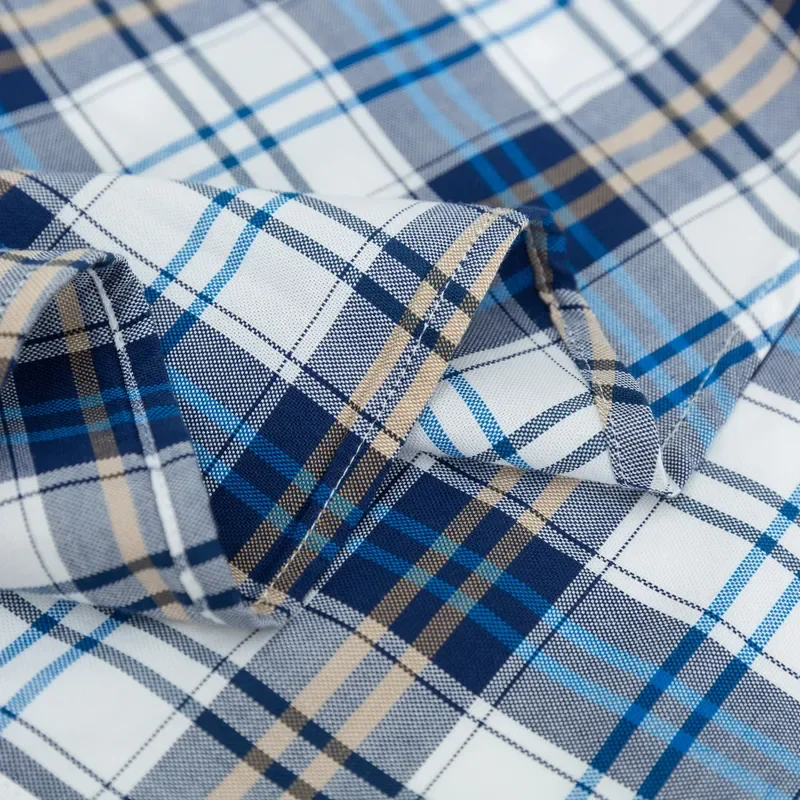
Start with how the shirt will be worn and maintained. GAZO’s shirt program lists high-count cotton, cotton blends, treated non-iron blends, Oxford and bamboo-blend directions. The fiber content, fabric weight, finish, color and availability should be confirmed for the selected style.
- Fabric
- Match feel, structure, drape and care needs to the role.
- Collar & cuff
- Compare spread, button-down, cutaway or Mandarin collars against the team’s dress code; choose cuff and button details with the sample.
- Fit & sizing
- Share your measurement chart and size breakdown. Confirm fit, grading and key measurements before bulk production.
- Brand details
- Review embroidery, woven labels, neck and care labels, packaging and logo placement as part of the specification.
05 / PLAN BY THE WORK
One brand direction, with a practical mix for every role.
Set the core garments for each role, then confirm dress code, movement and care needs. These are starting combinations; final styles and materials follow the project specification.
Polished through a full workday
Pair dress shirts with trousers, knitwear or suits as the role requires. Prioritize the dress code, size range and coordination across departments.
- Dress shirt
- Trousers
- Optional suit layer
Easy to identify, comfortable to wear
Plan garments around customer contact, movement and laundering frequency. Set a clear color direction and confirm logo placement on the approved sample.
- Shirt
- Waistcoat
- Trousers
Built around tasks and layers
Describe the task, season, mobility and any specified safety standard before discussing workwear or outerwear.
- Workwear
- Outer layer as needed
- Role-specific details
06 / FROM BRIEF TO BULK
Keep each project decision visible.
A written specification gives the purchasing team and supplier one shared reference from sample review to the production quotation.
- 01
Share the brief
Send roles, garment categories, estimated quantities, size distribution, target date and destination.
Output / project scope - 02
Set the specification
Review style, fabric, color, fit, logo method, placement and packaging for the selected items.
Output / written spec - 03
Review paid samples
Check hand feel, fit, shade, construction and logo execution. Paid samples are dispatched within 15 days.
Output / sample feedback - 04
Confirm quote & timing
Approve the specification; confirm MOQ, project pricing, bulk schedule and shipping terms in the quotation.
Output / approved project terms
07 / PURCHASING QUESTIONS
Before you request a quote
Share the information you already have; the project conversation can help resolve the rest.
Start with departments and roles, garment categories, estimated quantities or size distribution, work setting, target date and delivery country. Add a size chart, fabric reference or logo file if available. GAZO will confirm MOQ, pricing and timing for the selected project.
Yes. GAZO recommends product mixes by department and role. The styles, sizes, colors and quantities are listed separately in the project specification and quotation.
Compare the intended hand feel and appearance with climate, wear frequency and care needs. GAZO lists cotton, cotton blends, non-iron blends, Oxford and bamboo-blend fabric directions; fabric composition and availability are confirmed by style.
Depending on the selected style, discuss collar, cuffs, buttons, fit and size chart, embroidery or woven labels, neck and care labels, logo placement and packaging. Confirm final options against the sample.
Both are paid services. The method, logo size, color, placement and any artwork requirements are confirmed for the garment and stated in the project quotation.
Samples are paid and dispatched within 15 days. Bulk production timing is separate and is confirmed in the quotation after the style, fabric, quantity and sample approval are reviewed.
START WITH YOUR TEAM
Bring us the roles. We’ll help shape the garment brief.
Tell GAZO who will wear the uniforms, what the work involves and which garments you are considering. We’ll review the product mix and confirm project terms in the quotation.
Discuss a corporate uniform project