
Industry Insights
Custom Dress Shirts for Hotels and Banks: A Reorder-Ready Guide
How hotels and banks can plan custom dress shirts with the right fabric, fit, branding, MOQ, samples, and reorder standard for consistent corporate uniforms.
Factory answer: Hotels and banks should treat custom dress shirts as a controlled replenishment program, not as a series of independent purchases. The first order must freeze the fabric code, collar and cuff construction, size chart, logo placement, labels, packaging, and inspection standard. Those records are what make the next order look and fit like the first one.
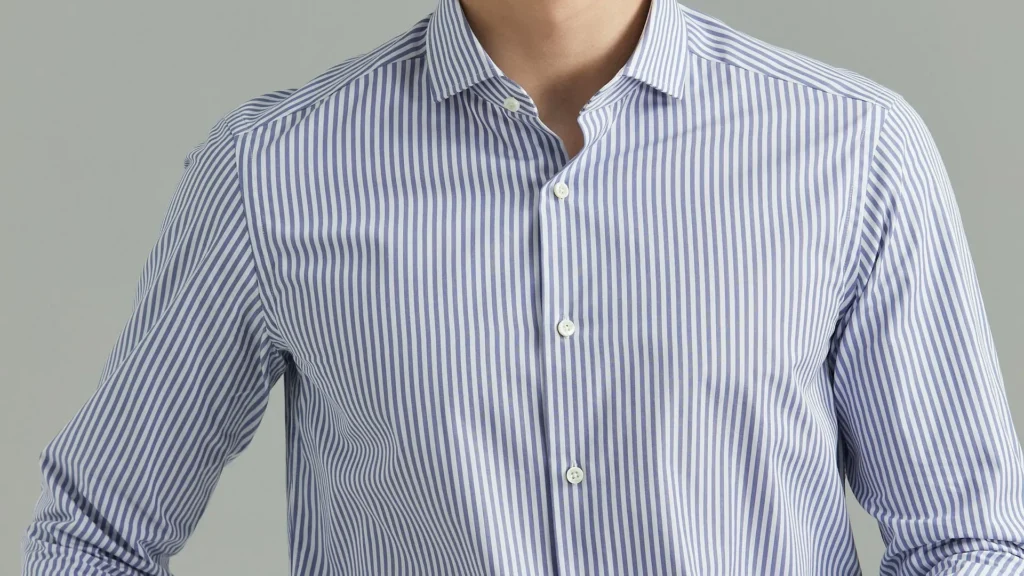
At GAZO, the most useful shirt brief is not the longest one. It is the one that removes ambiguity from the decisions that affect appearance, comfort, production, and replenishment. The following is the factory-side framework we recommend for hotel and bank uniform buyers.
Why hotel and bank shirt programs need tighter control
Both sectors depend on visual trust. Guests and customers notice collars, cuffs, color consistency, shirt length, and logo placement even when they cannot describe the problem. At the same time, employees may wear the shirt for a full shift, repeat the wash cycle frequently, and need replacements at different branches.
That creates four operating requirements:
- Consistency: the same brand appearance across departments and locations.
- Wearability: enough comfort and movement for long customer-facing shifts.
- Maintainability: a fabric and finish that match the real laundering process.
- Reorderability: a specification that can be reproduced after the first shipment.
The reorder file is the real product
The physical shirt is only one part of the program. The reorder file should contain the approved sample photographs, fabric code, color swatch, finished measurements, grading rules, collar and cuff details, button reference, logo artwork, embroidery or label instructions, care label, folding method, packaging, and inspection notes.
When a buyer asks for “the same shirt,” the factory needs an objective reference. A descriptive request such as “white slim-fit shirt with our logo” leaves too many variables open. A controlled file turns the request into an executable production standard.
| Record | Why it matters during reorders |
|---|---|
| Fabric code and approved swatch | Controls material identity, color, and future availability checks |
| Finished size chart | Controls the garment, not just the label printed on it |
| Logo artwork and placement | Prevents visual drift between branches and production runs |
| Construction sheet | Protects collar, cuff, pocket, button, and seam details |
| Inspection notes | Defines what “acceptable” means before the next order starts |
Fabric decisions for hotel and bank employees
A hotel shirt may need easy care and comfort through long shifts. A bank shirt may need a formal surface, good opacity, and a crisp collar line. Neither requirement can be judged from a product name alone. Ask for the composition, approximate weight, weave, finish, shrinkage expectation, color standard, and care instructions.
Common directions include high-count cotton for a natural hand feel, poly-cotton blends for a balance of durability and easy care, and non-iron or easy-care finishes for teams that need a neat appearance with less pressing. The correct choice depends on the laundering process, climate, employee movement, and replacement cycle.
We recommend approving a physical swatch and a finished sample. If the hotel uses commercial laundry or the bank has a strict appearance standard, test the sample through the intended care process before ordering at scale. The fabric decision should be recorded in the reorder file, including the approved color under the buyer’s lighting.
Fit is an operational decision
A shirt that looks good on one model may not work for an entire team. Review the men’s and women’s blocks separately, define finished measurements, and confirm how the shirt should be worn: tucked or untucked, under a vest or jacket, and with which trouser or skirt shape.
During the wear review, check collar comfort, shoulder balance, armhole mobility, sleeve length, cuff opening, chest allowance, button tension, shirt length, and hem behavior when seated. Hotels should test movement during service tasks. Banks should test seated desk work, reaching, and jacket layering.
For a multi-location team, a size set is more informative than a single approval sample. It shows whether grading remains balanced across the size range and whether the logo stays in the correct visual position.
Branding should be specified like a measurement
Logo consistency depends on more than the artwork file. Record the logo width, distance from the placket or pocket, vertical position, thread or label color, backing, stitch or label method, and acceptable tolerance. Approve the branding on the actual fabric because texture and color can change the perceived scale.
Also define neck labels, care labels, buttons, hangtags, folding, individual packaging, carton marks, and branch identifiers. Hotels may need different department identifiers; banks may need a discreet logo treatment for a more formal look. These decisions should be frozen before bulk production.
MOQ and lead time: plan around the complete program
GAZO’s minimum order is 100 pieces. Logo printing and embroidery are paid services. Product combinations are recommended by department and role; the selected garments, quantities, and price are stated in the project quotation.
Samples are paid and dispatched within 15 days. The project quotation states the confirmed bulk production schedule and price after the specifications and materials are reviewed.
Price should be compared with the complete cost of ownership. Include sample work, labels, packaging, inspection, freight, replacement pieces, size exchanges, and future development if the original specification is not retained. Stable reorders often create more value than a small saving on the first unit price.
Factory-side quality checks that protect appearance
For shirts, the inspection plan should include fabric shade, finished measurements, collar symmetry, cuff construction, sleeve length, button security, seam appearance, logo location, stains, loose threads, pressing, folding, and carton quantity. Define the tolerance before bulk production.
We also recommend keeping visual references: front and back views, collar and cuff close-ups, inside seams, logo detail, and packaging. Written measurements identify a problem; visual references help explain whether the overall appearance still matches the approved standard.
A practical hotel and bank reorder workflow
- Collect the operating brief: roles, branches, climate, laundering, quantity, and delivery window.
- Shortlist materials: compare physical swatches for comfort, appearance, care, durability, and color.
- Develop the pattern: approve men’s and women’s blocks, finished measurements, construction, and size grading.
- Review the wear sample: test real movements and layering with representative employees.
- Freeze branding: approve artwork, logo scale, labels, buttons, packaging, and branch identifiers.
- Approve production: sign the sample and inspection standard before bulk cutting.
- Archive the reorder file: retain the exact references for replacement and expansion orders.
What we ask buyers to send before sampling
- Target quantity by style, color, size, and location.
- Employee role and working environment.
- Reference shirt, measurement chart, or fit preference.
- Logo artwork in a production-ready format.
- Preferred fabric direction and care process.
- Required labels, packaging, carton marks, and delivery window.
With this information, a factory can discuss options that are realistic for production instead of making a recommendation from a product photograph alone. Explore the GAZO custom dress shirt program, compare hotel staff uniform solutions and bank uniform solutions, or send the brief to the factory team.
Frequently asked questions
What makes a hotel or bank shirt reorder-ready?
A reorder-ready program has an approved sample, fabric code, color standard, finished size chart, construction sheet, logo file, trim list, packaging instructions, and inspection record.
What is GAZO’s minimum order for custom shirts?
GAZO’s minimum order is 100 pieces. Logo printing and embroidery are paid services. Product combinations are recommended by department and role; the selected garments, quantities, and price are stated in the project quotation.
When are samples dispatched and how is bulk timing confirmed?
Samples are paid and dispatched within 15 days. The project quotation states the confirmed bulk production schedule and price after the specifications and materials are reviewed.
Should hotels use non-iron fabric?
It can be useful when staff need a neat appearance with less pressing, but the finish must be evaluated against the actual wash process. Approve a finished sample and confirm care requirements before bulk production.
How do banks keep shirt colors consistent across branches?
Use one approved fabric code and color swatch, record the lighting used for approval, and require every reorder to be checked against that reference before cutting.