
Industry Uniforms
Custom Uniforms for Hotel Employees: A Role Guide
Choose custom uniforms for hotel employees by role, fabric, fit and care. Plan front office, housekeeping, samples and consistent reorders.
Executive answer: A professional hotel staff uniform program should be planned by department, guest contact level, movement, climate, laundering process, and reorder needs. Front office, housekeeping, food and beverage, engineering, and management may share a brand identity, but they should not all wear the same garment. The best program combines a department matrix, suitable fabrics, controlled sizing, discreet branding, and a documented approval sample.
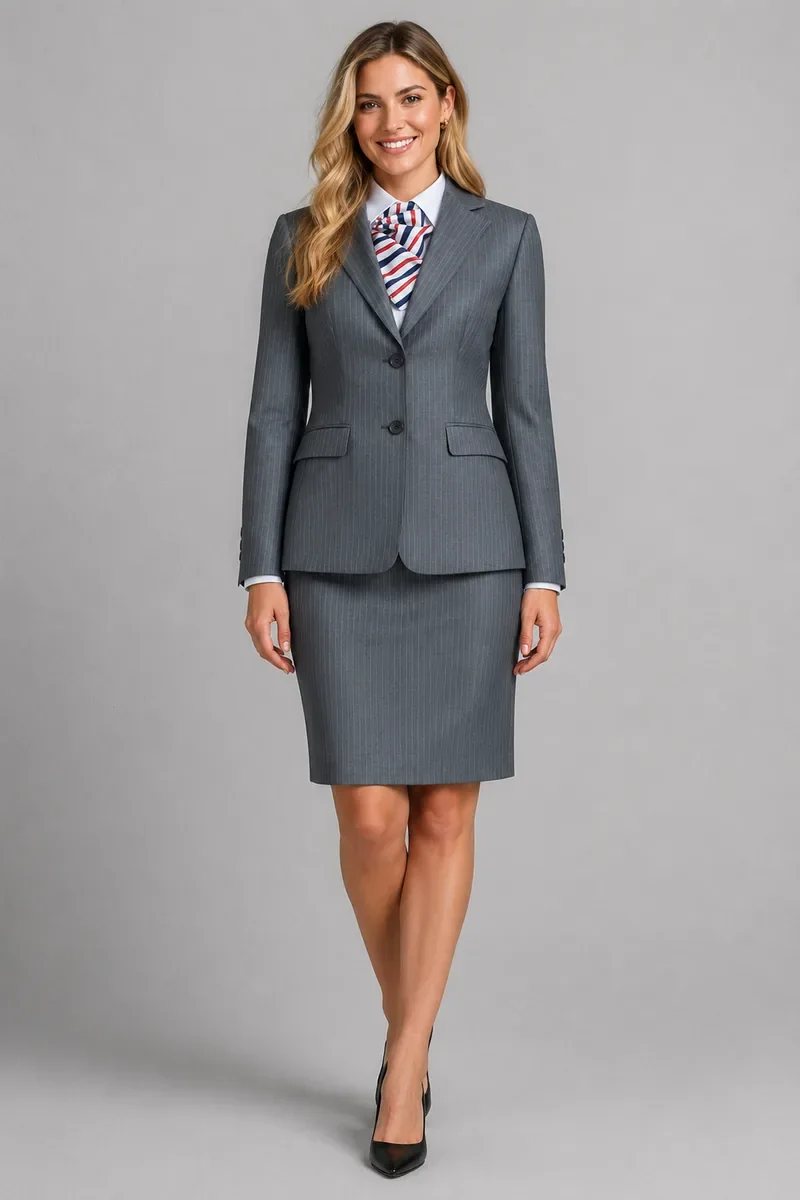
This guide is for hotel owners, general managers, procurement teams, uniform consultants, and hospitality buyers sourcing custom hotel uniforms or hotel staff uniforms. It explains what each department needs, how to choose fabric and fit, how to control logos and colors, and how to make the program easy to replenish across properties.
Why hotel uniforms should be designed by department
Hotel employees perform different tasks in different environments. A front-desk associate may stand, greet guests, work at a computer, and wear a jacket or vest. A housekeeper needs reach, bending comfort, pocket utility, and a fabric that tolerates frequent washing. A food-and-beverage team needs a clean appearance, stain-aware color choices, and easy movement around service areas. Engineering and maintenance teams need durability, storage, and practical layering.
Start with a department matrix before choosing garments:
| Department | Primary uniform priority | Typical garment direction |
|---|---|---|
| Front office and concierge | Professional first impression, comfort while standing, discreet branding | Custom dress shirt, tailored jacket, vest, trousers, skirt, or scarf |
| Housekeeping | Mobility, easy care, practical storage, repeat-wash durability | Easy-care shirt, overshirt, trousers, tunic, or lightweight jacket |
| Food and beverage | Clean appearance, movement, stain management, department recognition | Shirt, waistcoat, apron, trousers, or coordinated service layers |
| Engineering and maintenance | Durability, reinforcement, pockets, movement, seasonal layering | Work shirt, utility trouser, overshirt, vest, jacket, or workwear layer |
| Management and events | Formal brand presentation and flexible use across guest areas | Custom business suit, blazer, shirt, trouser, or coordinated separates |
Front office uniforms: the guest-facing standard
Front office staff shape the guest’s first and last impression. Their uniform should communicate the property’s positioning while remaining comfortable during standing, walking, desk work, and frequent interaction. Common choices include a custom dress shirt with a tailored jacket, vest, trousers, skirt, scarf, or tie.
Pay attention to collar height, cuff comfort, jacket or vest proportions, shirt length, and how the logo appears at the counter. If the property operates in a warm climate, consider breathable construction and light layering. If the team moves between air-conditioned interiors and outdoor arrival areas, the uniform should work as a coordinated system rather than as a single heavy garment.
Test the uniform seated at the front desk, standing beside a guest, reaching for documents, and wearing the actual name badge. The name badge, logo, buttons, and lapel should not compete visually.
Housekeeping uniforms: mobility and care come first
Housekeeping uniforms need to support bending, reaching, pushing carts, changing linens, and moving through guest rooms. The uniform should look neat, but comfort and laundering are operational requirements rather than optional features.
Review armhole mobility, sleeve length, hem coverage, waistband comfort, pocket position, and the garment’s behavior when the employee bends or kneels. Avoid placing branding where it will rub against equipment or become difficult to clean. Ask the manufacturer to confirm the fabric composition, approximate weight, color stability, shrinkage expectation, and care instructions.
For frequently washed garments, approve a finished sample through the intended laundry process. A color that appears consistent on a screen may behave differently after repeated washing or under hotel corridor lighting.
Food and beverage uniforms: appearance under pressure
Food-and-beverage staff move quickly between tables, service stations, kitchens, and storage areas. Their uniform should allow movement while maintaining a clean, coordinated appearance. Color, apron compatibility, pocket placement, and stain visibility should be considered together.
For service teams, test the shirt or jacket while reaching across a table, carrying a tray, sitting briefly, and moving through narrow spaces. Check that buttons remain secure, sleeves do not interfere with service, and the hem stays neat. If aprons are used, review the complete outfit because the apron changes where the logo and visual balance are perceived.
Engineering and maintenance uniforms: durability without losing identity
Engineering and maintenance teams need a different uniform logic. They may work with tools, kneel, climb stairs, work in warm plant rooms, or move between indoor and outdoor areas. Durability, reinforcement, storage, and layering can be more important than formal tailoring.
Twill and poly-cotton workwear directions are often considered for these roles, while performance blends may be useful when stretch, recovery, or active movement is needed. The fabric name alone is not enough. Confirm composition, weight, weave, finish, color standard, care process, and availability for future orders.
Inspect pocket openings, stress points, buttons or zippers, seam construction, and the position of the logo. The uniform should look like part of the hotel brand, not like an unrelated industrial garment.
Management and event uniforms: controlled formality
Management, sales, and events teams may need to move between boardrooms, guest areas, weddings, conferences, and external meetings. A coordinated suit, blazer, shirt, and trouser system gives the hotel more flexibility than a single fixed outfit.
Define whether the preferred silhouette is standard, slim, or relaxed, and approve a size set with representative employees. Check shoulder balance, sleeve length, jacket length, trouser rise, and comfort when seated. If the same team supports several properties, use one approved color and fabric record to protect consistency.
Fabric selection for hotel staff uniforms
Hotel uniform fabric should be chosen against the actual wear and care cycle. Cotton can provide a natural hand feel and breathability. Poly-cotton can balance comfort, durability, and easy care for larger teams. Twill can add structure and practical durability to workwear pieces. Performance blends may help active roles when stretch, recovery, or quick drying is a real requirement.
| Fabric decision | What a buyer should confirm |
|---|---|
| Composition | Fiber content and whether the approved material is available for reorders |
| Weight and weave | Suitability for climate, shift length, movement, and layering |
| Color | Physical swatch, reference standard, lighting, and acceptable variation |
| Care | Home wash or commercial laundry, drying, pressing, and label requirements |
| Durability | Expected shrinkage, pilling, abrasion, surface change, and color stability |
Approve a physical swatch and a finished garment. If the property uses commercial laundry, test the sample through that process before bulk cutting. A professional supplier should be able to explain what is known, what is estimated, and what still needs testing.
Fit and sizing across hotel departments
Generic letter sizes are not enough for a property-wide uniform program. Use finished-garment measurements for chest, shoulder, sleeve, biceps, shirt length, collar, waist, rise, thigh, inseam, hem, and pocket position. Review men’s and women’s blocks separately where required.
Test the garment in real hotel movements: standing, sitting, reaching, bending, lifting an arm, walking stairs, pushing a cart, and wearing a name badge or apron. For jackets and vests, test them over the approved shirt. The goal is a consistent professional appearance that employees can wear through a complete shift.
Branding, color, and guest recognition
Branding should be measurable. Record the logo artwork, width, location, thread or label color, backing, and acceptable placement tolerance. Also specify neck labels, care labels, buttons, scarves, aprons, packaging, carton marks, and department identifiers.
Use a shared visual system across departments: a controlled color palette, repeatable logo rules, and coordinated trims. The garments can differ by task while still being recognized as one hotel uniform program.
MOQ, lead time, and rollout planning
GAZO’s minimum order is 100 pieces. Logo printing and embroidery are paid services. Product combinations are recommended by department and role; the selected garments, quantities, and price are stated in the project quotation.
Samples are paid and dispatched within 15 days. The project quotation states the confirmed bulk production schedule and price after the specifications and materials are reviewed.
Hotel uniform quality-control checklist
- Compare fabric shade and surface against the approved swatch.
- Measure chest, shoulder, sleeve, length, waist, rise, and hem against the size chart.
- Check collar, cuff, pocket, button, zipper, seam, and reinforcement construction.
- Check logo width, position, thread or label color, and backing.
- Review stains, loose threads, pressing, folding, labels, packaging, and carton quantity.
- Keep an inspection record with the style, size, fabric code, date, inspector, and corrective action.
How to build a reorder-ready hotel uniform program
- Map each department: Record tasks, guest contact, movement, climate, care, and seasonal needs.
- Build the range: Choose garments that share colors, trims, branding, and a clear visual identity.
- Approve materials: Compare physical swatches and confirm care, durability, color, and availability.
- Develop samples: Review pattern, size chart, construction, logo, labels, and packaging.
- Run a wear review: Test representative employees in real hotel tasks.
- Freeze the standard: Approve the sample, size ratio, artwork, and inspection plan.
- Archive for reorders: Keep the sample, pattern, fabric code, color standard, and technical records together.
How GAZO supports hotel uniform programs
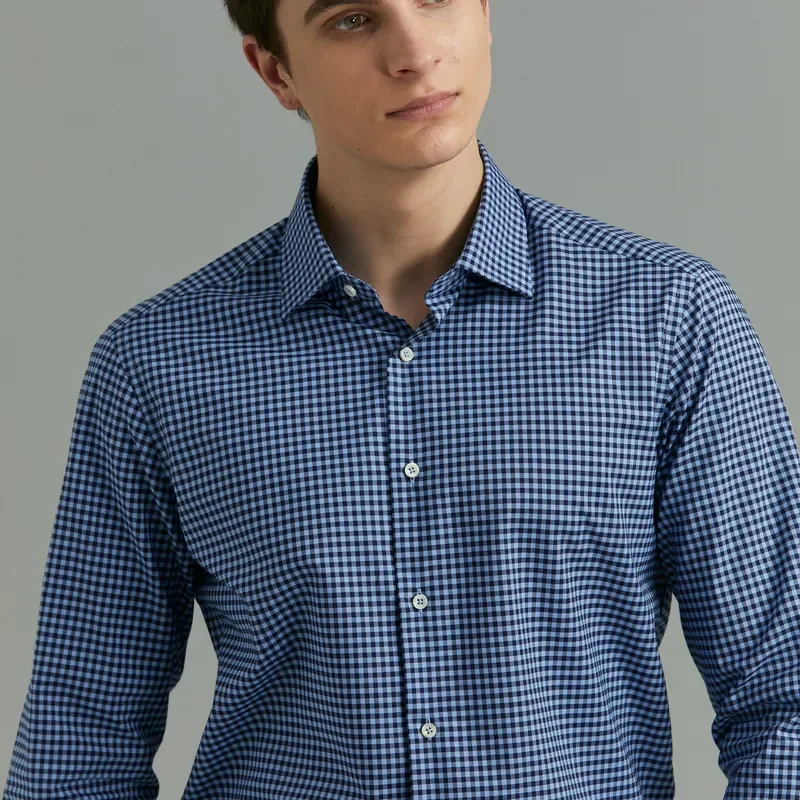
GAZO develops custom uniforms for hotels and hospitality teams, including shirts, suits, workwear layers, vests, trousers, labels, embroidery, packaging, sampling, bulk production, and reorder documentation. Explore the hotel uniform program, compare custom dress shirts, review custom workwear, or send a hotel uniform brief to the factory team.
Frequently asked questions
What should hotel staff uniforms include?
A complete program may include front-office shirts and jackets, housekeeping garments, food-and-beverage service pieces, engineering workwear, management suits, name badges, labels, packaging, and a documented reorder standard.
Should every hotel department wear the same uniform?
No. Departments have different movement, care, storage, and guest-contact requirements. They should share brand colors and logo rules while using garments suited to the job.
What fabric is best for hotel uniforms?
There is no single best fabric. Cotton, poly-cotton, twill, and performance blends can all work when their composition, weight, care, color, durability, and use environment are matched correctly.
What is GAZO’s minimum order for custom hotel uniforms?
GAZO’s minimum order is 100 pieces. Logo printing and embroidery are paid services. Product combinations are recommended by department and role; the selected garments, quantities, and price are stated in the project quotation.
When are samples dispatched and how is bulk timing confirmed?
Samples are paid and dispatched within 15 days. The project quotation states the confirmed bulk production schedule and price after the specifications and materials are reviewed.
How can a hotel group keep uniforms consistent across properties?
Use one approved sample, fabric code, color standard, size chart, logo file, construction sheet, packaging method, and inspection record for every property and reorder.
Approve hotel uniform logos on the finished sample
After choosing the department garments, document logo artwork, finished dimensions, placement and the proposed decoration method. Follow our hotel uniforms with logo sample approval guide to review the decorated fabric, finished garment and intended care process before the production reference is finalised.