
Uniform Sourcing & Procurement
How to Choose a Custom Uniform Supplier for Shirts, Suits, and Workwear
Executive answer: Choose a custom uniform supplier by v […]
Executive answer: Choose a custom uniform supplier by verifying five things before the bulk order: product capability, fabric and fit control, sample approval, quality inspection, and reorder continuity. A supplier that can produce one attractive shirt is not automatically able to manage a complete program across custom dress shirts, business suits, and corporate workwear. Buyers should compare the supplier’s evidence, process, commercial terms, and ability to reproduce an approved standard.
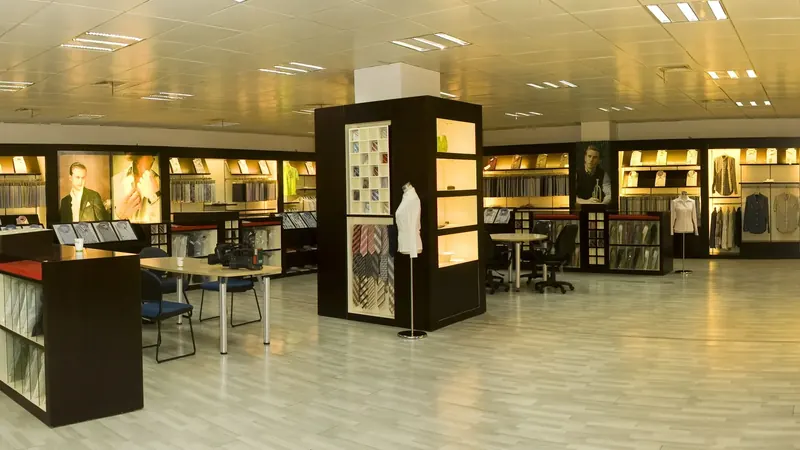
This buyer’s guide is for procurement teams, hotel groups, banks, retailers, facility operators, uniform consultants, and growing companies looking for a custom uniform supplier or corporate clothing manufacturer. It provides a practical way to evaluate OEM and ODM capability without relying on a sales presentation alone.
What should a custom uniform supplier actually provide?
A complete supplier relationship should cover more than manufacturing. It should provide a controlled path from brief to approved sample, bulk production, inspection, delivery, and replenishment. The supplier should be able to identify which decisions are confirmed, which are estimates, and which require a sample or test.
- Product development: pattern, construction, fabric, trims, logo, labels, and packaging.
- Commercial clarity: MOQ, sample cost, production range, delivery milestones, and freight terms.
- Quality control: measurement tolerances, workmanship checks, visual standards, and corrective action.
- Reorder continuity: approved sample, fabric code, size chart, artwork, and technical record retained for future orders.
If a supplier only discusses unit price and cannot explain these controls, the buyer does not yet have enough information to compare the proposal fairly.
1. Match the supplier model to the project
| Supplier model | Useful when | Questions to ask |
|---|---|---|
| OEM manufacturer | The buyer already has a design, pattern, tech pack, or approved reference garment | Can the factory follow the specification and preserve it for reorders? |
| ODM manufacturer | The buyer needs help with fabric, styling, pattern, and a faster starting point | Which parts are standard, which are customizable, and who owns the approved result? |
| Integrated uniform supplier | The project covers shirts, suits, workwear, accessories, and several departments | Can one team coordinate different product categories and one brand standard? |
| Trading intermediary | The buyer needs access to multiple factories or a very broad sourcing network | Who controls the pattern, fabric, inspection, communication, and responsibility for defects? |
There is no universal best model. The important point is accountability. The buyer should know who makes the product, who approves changes, who inspects the order, and who will manage the next shipment.
2. Check capability across shirts, suits, and workwear
A company-wide uniform program often contains several garment types. Custom dress shirts require collar, cuff, placket, button, and size control. Business suits require jacket balance, lapel, sleeve pitch, lining, trouser rise, and pressing control. Workwear requires movement, pocket durability, reinforcement, layering, and care logic.
Ask for examples of comparable product categories and ask how the factory separates their technical standards. A supplier may be strong in shirts but outsource tailoring, or strong in workwear but lack the pattern control required for a formal suit. That difference matters when one brand needs all categories to look coordinated.
3. Evaluate fabric with a physical sample
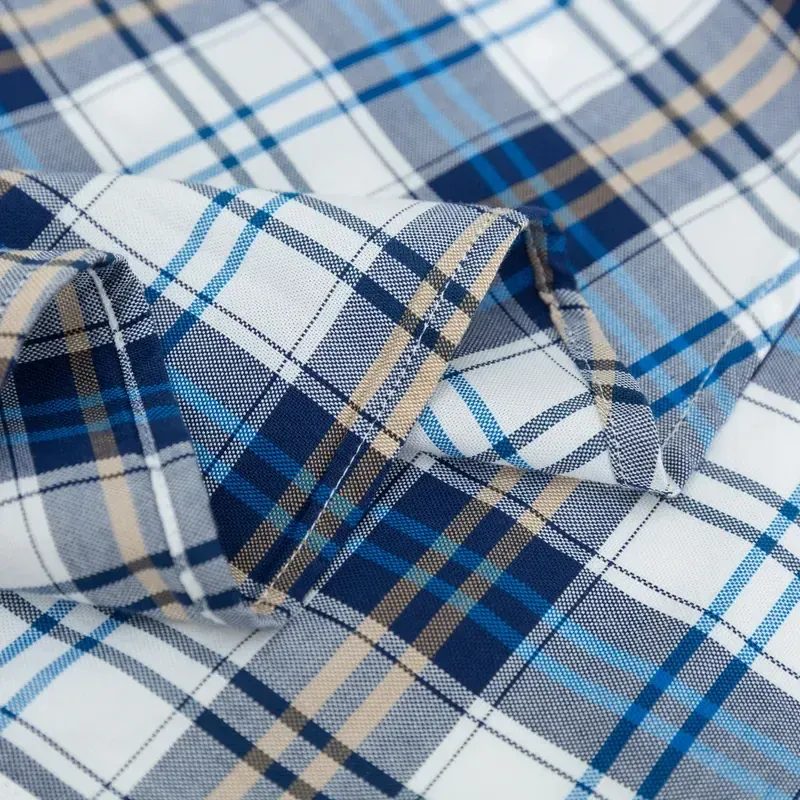
A catalog name such as cotton, poly-cotton, twill, wool, or performance blend does not fully describe a fabric. Request composition, approximate weight, weave, finish, usable width, color reference, care instructions, and availability for future orders.
Use physical swatches and then approve a finished garment. Review hand feel, opacity, color under the buyer’s lighting, surface appearance, shrinkage expectation, pilling risk, and behavior after the intended care process. For hotel and service teams, test the wash cycle. For suits, test drape, pressing, crease recovery, and the relationship between fabric and pattern.
The supplier should distinguish between a confirmed specification, a typical planning range, and a result that still needs testing. This distinction makes the final content and quotation more trustworthy.
4. Treat the sample as a production contract
The approved sample should not be a vague visual reference. It should be linked to a written record containing the style name, pattern version, fabric code, color swatch, finished measurements, construction details, logo artwork, labels, trims, packaging, and inspection points.
For a complete uniform program, review a size set rather than a single model size. Test standing, sitting, reaching, walking, lifting an arm, and wearing the actual shirt, jacket, badge, apron, or base layer used at work. Record changes before bulk cutting and keep photographs of the front, back, collar, cuff, logo, inside seams, and packaging.
5. Verify branding and size control
Branding should be measurable. Confirm logo width, placement, thread or label color, backing, stitch or label method, and acceptable tolerance. Also define neck labels, care labels, buttons, hangtags, packaging, carton marks, and any department identifier.
Size control is equally important. Ask for finished-garment measurements, grading rules, measurement tolerance, and the relationship between local size labels and actual measurements. Men’s and women’s blocks should be reviewed separately when the program requires them. A supplier that cannot explain its grading process is difficult to manage at scale.
6. Compare MOQ, lead time, and total program cost
GAZO’s minimum order is 100 pieces. Logo printing and embroidery are paid services. Product combinations are recommended by department and role; the selected garments, quantities, and price are stated in the project quotation.
Samples are paid and dispatched within 15 days. The project quotation states the confirmed bulk production schedule and price after the specifications and materials are reviewed.
Compare the total program cost, including development, sampling, labels, packaging, inspection, freight, replacement stock, size changes, and reorder development. A low unit price can become expensive if the supplier changes the pattern or fabric on the next order.
7. Test the quality-control process before placing volume
Ask the supplier to show how it checks the product. For shirts, this may include fabric shade, collar symmetry, cuff, sleeve length, buttons, seams, logo placement, pressing, and packing. For suits, add shoulder balance, lapel symmetry, jacket length, lining, trouser rise, inseam, hem, and crease. For workwear, add pocket stress, reinforcement, movement, zippers, and abrasion-sensitive areas.
Agree defect categories and measurement tolerances before production. The inspection record should identify the order, style, size, fabric reference, inspector, date, non-conforming quantity, and corrective action. The more specific the record, the easier it is to compare future orders.
8. Confirm the reorder system
Reorders are where supplier quality becomes visible. Ask whether the factory retains the approved sample, pattern, fabric code, color standard, size chart, logo artwork, trims, packaging, and inspection notes. Ask how it handles a discontinued fabric, changed logo, new branch, or new size.
A good reorder system also defines who can approve changes. A branch manager may request a new size, but a change to fabric, logo, pattern, or construction should return to the central program owner. This prevents gradual variation across locations.
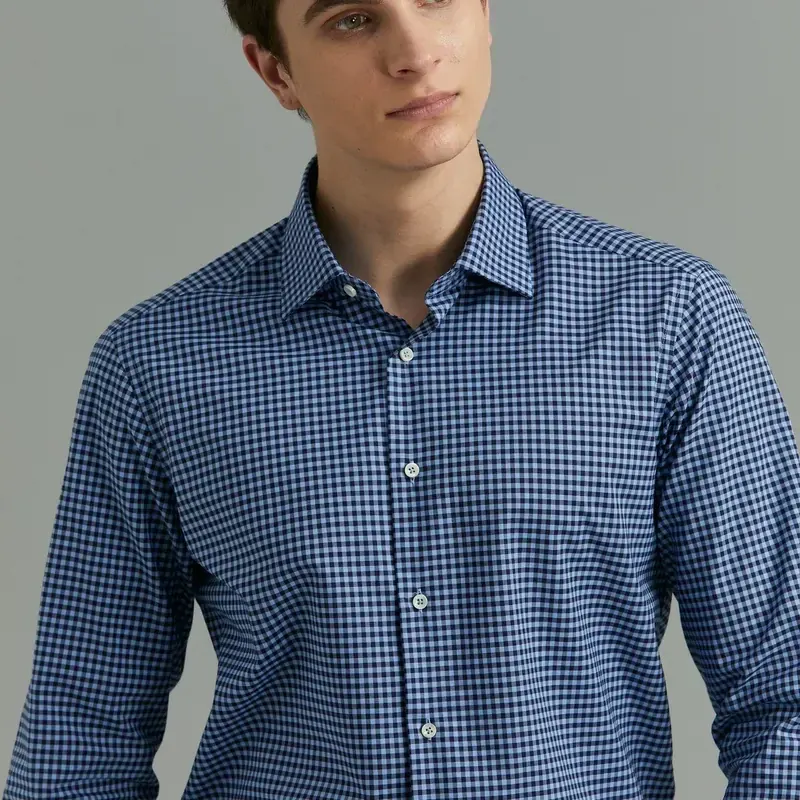
Custom uniform supplier due-diligence checklist
| Area | Evidence to request |
|---|---|
| Capability | Comparable shirt, suit, and workwear examples with clear production responsibility |
| Materials | Physical swatches, composition, weight, care, color, and reorder availability |
| Fit | Pattern or reference review, finished measurements, grading, size set, and tolerance |
| Branding | Artwork version, logo size, placement, trim list, labels, and packaging |
| Quality | Inspection checklist, defect categories, records, and corrective-action process |
| Continuity | Approved sample, fabric code, technical file, change control, and reorder process |
How GAZO fits this sourcing workflow
GAZO is a B2B corporate clothing manufacturer in Yiwu supporting custom dress shirts, business suits, workwear, hotel uniforms, bank uniforms, sampling, branding, bulk production, and reorders. The project is specified around the buyer’s role, quantity, fabric, fit, branding, delivery target, and care requirements.
Review the custom dress shirt program, custom business suit program, corporate workwear program, or the custom uniform process. For a project-specific quotation, send the supplier a structured brief.
Frequently asked questions
What is the difference between a custom uniform supplier and a clothing trader?
A manufacturer controls some or all of the pattern, material, production, and inspection process. A trader may coordinate external factories. The buyer should verify who owns the specification, who checks quality, and who manages reorders.
What should I ask a custom shirt supplier?
Ask about fabric composition and availability, finished measurements, collar and cuff construction, logo method, MOQ, sampling, bulk lead time, inspection, packaging, and how the approved specification will be retained.
What should I ask a custom suit manufacturer?
Ask about the fit block, pattern development, fabric, lining, lapel, sleeve, trouser construction, size grading, size-set approval, pressing, inspection, MOQ, lead time, and future fabric continuity.
What is GAZO’s minimum order for corporate uniforms?
GAZO’s minimum order is 100 pieces. Logo printing and embroidery are paid services. Product combinations are recommended by department and role; the selected garments, quantities, and price are stated in the project quotation.
When are samples dispatched and how is bulk timing confirmed?
Samples are paid and dispatched within 15 days. The project quotation states the confirmed bulk production schedule and price after the specifications and materials are reviewed.
How can I prevent problems with reorders?
Keep the approved sample, fabric code, color standard, size chart, pattern version, logo artwork, trim list, packaging method, and inspection notes in one controlled reorder file.