
Product, Fabric & Fit Guides
Corporate Workwear Fabric Guide: Twill, Poly-Cotton, and Performance Blends
Factory answer: The right workwear fabric is the one th […]
Factory answer: The right workwear fabric is the one that matches the job, climate, movement, care process, and replacement cycle. Twill, poly-cotton, and performance blends can all be useful, but the correct choice depends on how the garment will be worn and washed. Buyers should approve a physical swatch and finished sample, then document the fabric code, color, size chart, and inspection standard for future reorders.
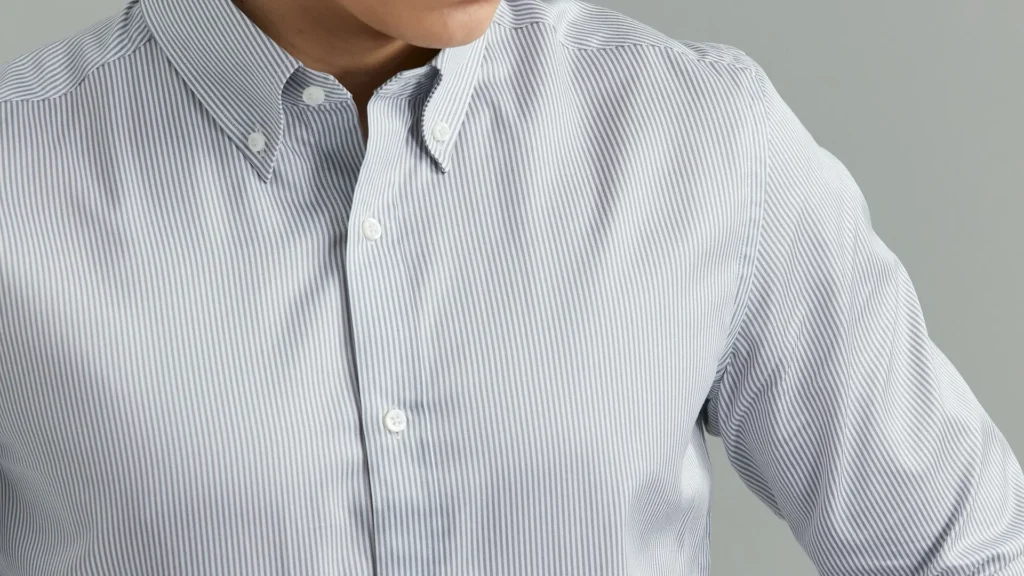
From the factory side, fabric names are only starting points. “Twill” describes a weave, “poly-cotton” describes a fiber blend, and “performance blend” can describe several different constructions and finishes. A useful buying decision needs composition, weight, weave, finish, color, care, and performance requirements in writing.
Start with the work, not the fabric label
Before comparing swatches, map how the garment will be used. Note whether the team works indoors or outdoors, moves constantly or sits at a desk, wears layers, handles equipment, works in a hot or cold climate, and uses household or commercial laundering. Also record whether the garment needs pockets, reinforcement, visibility, stretch, or a formal appearance.
| Working condition | Fabric priority | Test to request |
|---|---|---|
| Customer-facing service | Neat surface, comfort, color stability, easy care | Wear review, wash test, shade approval |
| Facilities and maintenance | Abrasion resistance, mobility, pocket durability | Movement review, seam and pocket inspection |
| Warehouse or logistics | Layering, durability, climate management | Range-of-motion review and care evaluation |
| Office or light workwear | Hand feel, appearance, breathability, wrinkle control | Desk-work wear review and appearance check |
Twill: structure and practical durability
Twill is a weave with a diagonal surface structure. It can provide a stable, practical base for overshirts, trousers, jackets, and workwear layers. The word “twill” alone does not define weight, fiber content, softness, or durability, so those details must be confirmed separately.
Use a twill direction when the program needs a structured appearance, useful abrasion resistance, or a fabric that supports pockets and workwear details. Evaluate the hand feel against the climate and shift length. A heavier twill may feel durable but can be uncomfortable in a hot environment; a lighter twill may improve comfort but require more careful reinforcement at high-stress points.
During sampling, check diagonal appearance, seam behavior, pocket shape, color uniformity, and the way the fabric presses. For trousers and utility garments, test sitting, bending, kneeling, and reaching before approving the pattern.
Poly-cotton: a practical balance for uniform programs
Poly-cotton combines natural and synthetic fibers, but the exact ratio changes the garment’s hand feel, care behavior, durability, and cost. It is often considered for hotel, retail, facilities, office, and service uniforms because it can balance comfort with easier care.
Do not evaluate the blend only by unit price. Ask for the composition, approximate weight, usable width, finish, color standard, shrinkage expectation, pilling expectation, and recommended laundering process. If employees wash the garment frequently, a sample should be tested through the intended care routine.
Poly-cotton can be a strong program choice when the buyer needs repeatable appearance and manageable maintenance, but it still needs a suitable pattern. A fabric that is easy to care for cannot compensate for an armhole that restricts movement or a size chart that does not fit the workforce.
Performance blends: specify the performance you actually need
“Performance blend” is a broad commercial term. It may refer to stretch, moisture management, quick drying, crease recovery, abrasion resistance, or another finish. Ask the supplier to define the intended benefit and how it will be evaluated. Avoid paying for a performance claim that the working environment does not require.
For active teams, review stretch direction, recovery after movement, breathability, surface appearance, and care stability. If the garment is worn under a jacket or vest, test the complete layer system. If the garment is used outdoors, review weather exposure and seasonal layering instead of selecting a fabric from a single warm-weather sample.
| Performance question | Why it matters |
|---|---|
| Does the fabric stretch in the direction employees need? | Stretch in the wrong direction does not improve mobility. |
| Does it recover after sitting or reaching? | Recovery affects appearance during the shift. |
| How does it behave after repeated washing? | Uniform value depends on the full care cycle, not first wear. |
| Does the surface pill, shine, or change shade? | Surface changes affect brand presentation and replacement timing. |
Color and shade control are part of the fabric decision
Corporate workwear often depends on a repeatable navy, charcoal, black, khaki, or branded accent. Approve color with a physical swatch under the lighting used by the buyer. Record the fabric code, color reference, approval date, and any acceptable variation.
When a program includes several garment types, confirm that the same or coordinated colors can be used across twill, poly-cotton, and performance fabrics. A color that matches on a screen may look different on a matte trouser fabric, a textured jacket, and a smooth shirt fabric.
Care instructions should be agreed before production
Care is not an afterthought. The buyer should tell the factory whether the garment will be washed at home, through a commercial laundry, or by another process. The supplier should then confirm the expected wash, dry, press, and storage conditions and provide the correct care-label information.
Run a simple wear-and-care review before bulk production: photograph the garment before washing, follow the intended care process, then check shrinkage, color, seam appearance, surface, logo, and shape. If the program cannot support the available care process, change the material or construction before cutting bulk fabric.
Fit and construction determine whether fabric performs
Fabric performance is connected to pattern and construction. A durable fabric can still fail if the pocket opening pulls, the rise restricts movement, or the sleeve pitch is wrong. For workwear, test reach, bending, sitting, lifting, walking stairs, and layering with the actual base garment.
Document finished measurements for chest, shoulder, sleeve, garment length, waist, rise, thigh, hem, and pocket position. Also record seam construction, reinforcement, buttons or zippers, labels, logo location, and packaging. This makes the fabric decision reproducible during a reorder.
How we compare fabric options at GAZO
Samples are paid and dispatched within 15 days. The project quotation states the confirmed bulk production schedule and price after the specifications and materials are reviewed.
Review the custom workwear program, compare corporate shirt options, explore hotel service uniforms, or send the workwear brief to the factory team.
A professional fabric approval checklist
- Define the job, climate, movement, layering, and care process.
- Compare composition, weight, weave, finish, color, and availability.
- Approve physical swatches under the buyer’s real lighting.
- Develop a sample with the actual pattern, trims, branding, and construction.
- Run a wear review using the movements employees perform.
- Test the sample through the intended wash and care process.
- Record the fabric code, color standard, size chart, and inspection criteria.
- Retain the complete specification for future reorders and substitutions.
Frequently asked questions
Is twill better than poly-cotton for workwear?
They describe different things: twill is a weave, while poly-cotton is a fiber blend. A poly-cotton fabric can also be woven as twill. Compare the complete specification—composition, weight, care, durability, comfort, color, and use environment.
When should we choose a performance blend?
Choose it when the team has a clear need such as stretch, recovery, moisture management, quick drying, or active movement. Ask the supplier to define the performance benefit and evaluate it through a finished sample and care review.
How do we prevent workwear from fading or changing shade?
Approve a physical swatch, record the fabric code and color standard, confirm the care process, and compare every production or reorder lot against the approved reference before cutting.
What is GAZO’s minimum order for custom workwear?
GAZO’s minimum order is 100 pieces. Logo printing and embroidery are paid services. Product combinations are recommended by department and role; the selected garments, quantities, and price are stated in the project quotation.
When are samples dispatched and how is bulk timing confirmed?
Samples are paid and dispatched within 15 days. The project quotation states the confirmed bulk production schedule and price after the specifications and materials are reviewed.